

Buying Guides
Cheap Glasses in Malaysia: How to Find a Kedai Cermin Mata Murah Without Guessing
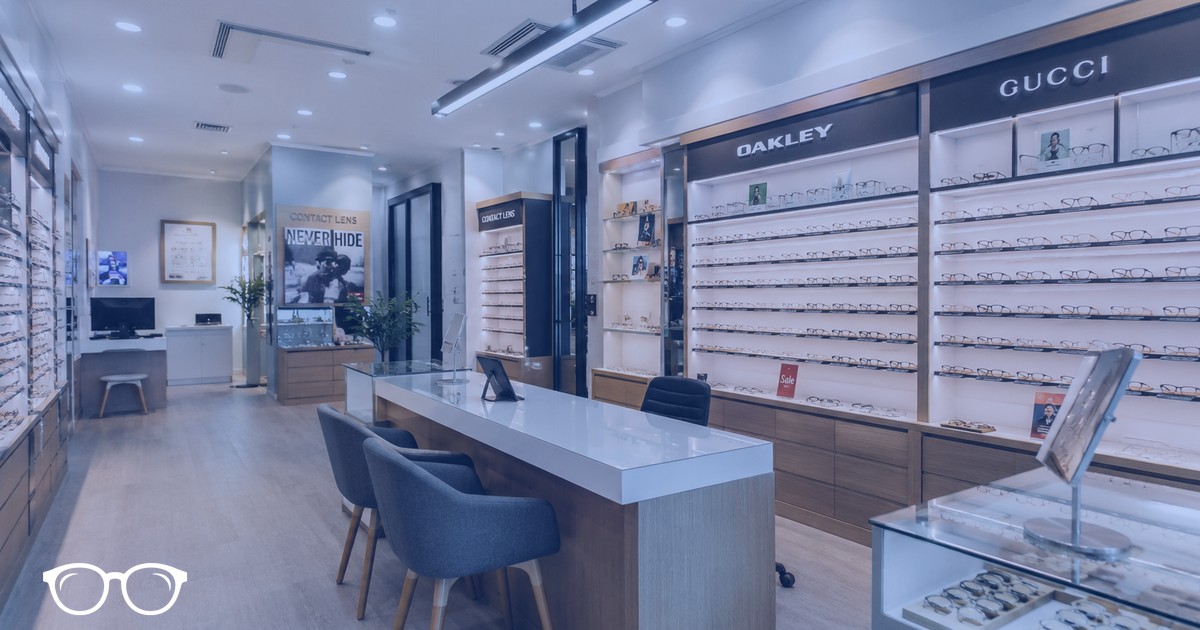
Search “kedai cermin mata murah near me” and you’ll get pages of results, a handful of ads, and no actual price. That’s not an accident — optical shop pricing in Malaysia depends on too many variables for any single number to mean much. What follows is the honest version of “cheap” from Seek Optical: not a discount code, a way to actually compare.
Why there’s no fixed answer
A pair of glasses is really two separate purchases bundled into one: the frame and the lenses. Chain opticians often advertise a low frame price, then the real cost shows up once you add anti-scratch coating, anti-glare, thinner lenses for a strong prescription, or blue-light filtering. Independent neighbourhood shops sometimes do the opposite — a plainer storefront, but a straightforward all-in quote with less upselling.
Neither model is automatically cheaper. The only way to know is to ask both the chain and the local shop for the same all-in quote, for the same lens spec, and compare those two numbers — not the frame price alone.
What actually drives the price up
- Your prescription strength. High minus or plus powers need thinner, more expensive lens material to avoid a “coke bottle” edge — this is a real cost, not a markup.
- Coatings. Anti-scratch is usually standard. Anti-glare, blue-light, and photochromic (light-reactive) coatings are each an added line item — worth asking whether you actually need them.
- Frame material. Acetate and metal frames vary widely in price even before lenses are added. A cheap frame with expensive lenses can still cost more than a mid-range frame with basic lenses.
- Same-day service. Shops that cut lenses in-house can often turn a pair around same-day — convenient, but sometimes priced at a premium over a 3-5 day standard order.
- Where the shop sits. Mall-unit opticians carry higher rent than a shoplot store two streets over — a neighbourhood optician in a town like Petaling Jaya often has more room in the quote than the equivalent mall unit, and that overhead shows up somewhere even when the frame price looks identical.
Common pricing myths, checked
- “The mall optician is always more expensive.” Not always — some chains subsidise frame prices to move volume and make it back on lens add-ons. The only way to know is to get the same all-in quote from both.
- “A higher star rating means a fairer price.” Rating and reviews tell you about service quality and reliability, not pricing. They’re still worth checking — just for a different reason (see below).
- “Cheaper lenses always mean worse vision.” Below a certain prescription strength, the difference between a standard and a premium lens is mostly comfort and thickness, not clarity. It matters far more for a strong prescription than a mild one.
How to actually compare shops near you
- Get your prescription first, either from an eye exam at the shop or from a recent one you already have — you can’t get a real quote without it.
- Ask for one all-in number: frame + lenses + whichever coatings you actually want, out the door. Not a “starting from” price.
- Get that same quote from two or three shops in your town — a local independent and a chain, if both are nearby.
- Check real review volume, not just the star rating — a shop with 400 reviews at 4.5 stars is a more reliable signal than one with 6 reviews at 5 stars.
A neighbourhood shop is often worth the trip
If you’re specifically looking for value, independent opticians outside the big malls are frequently the better place to start — lower rent usually means more room in the quote, and a smaller shop has more incentive to earn a repeat customer with a fair first price. That’s true in most towns, not just the obvious ones: plenty of real, independently run shops sit a few streets away from the mall anchors most people default to.
Real shops, town by town, so you’re not limited to whichever chain has the biggest ad budget — start comparing quotes near you.
Ready to find a real shop near you?
Browse all optical shops →