Buying Guides
Reading Glasses in Malaysia: Off-the-Shelf vs. Prescription, Explained
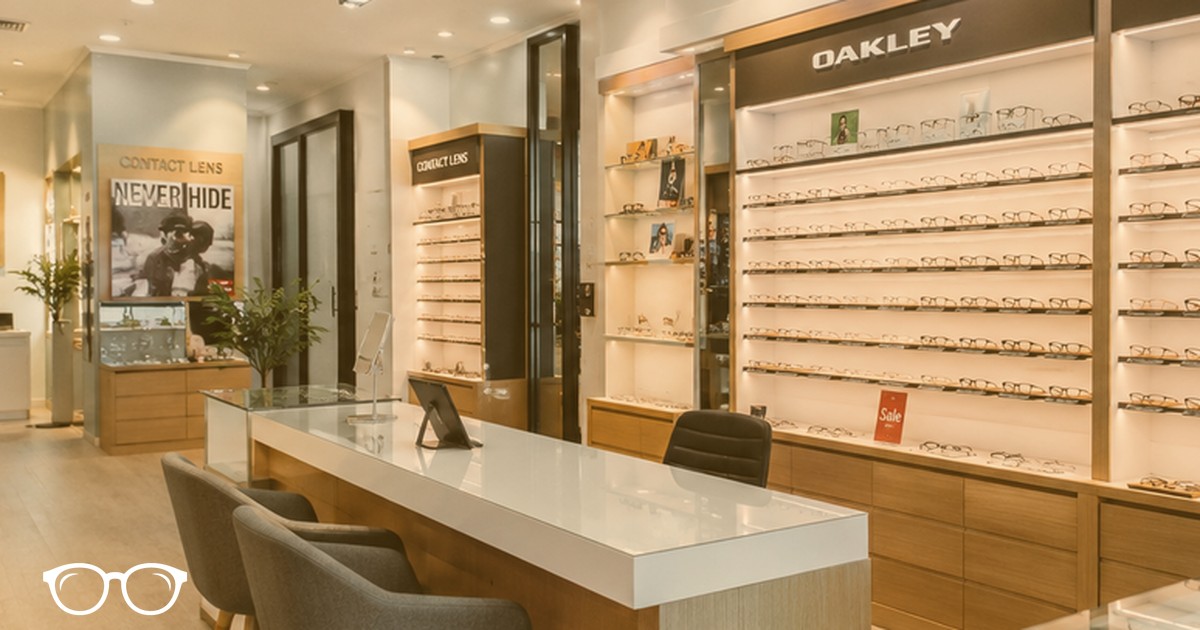
Most people’s first pair of reading glasses comes from a pharmacy shelf, not an optical shop — and for a lot of people, that’s genuinely fine. The trouble starts when it isn’t, and nobody told them why. This guide from Seek Optical walks through which camp you’re likely in.
Why pharmacy reading glasses work for some people
Off-the-shelf reading glasses are built for presbyopia — the age-related loss of close-up focus that affects nearly everyone from their early-to-mid 40s onward. If that’s your only vision issue and both your eyes need roughly the same amount of correction, a shelf pair in the right strength can genuinely work, and works out far cheaper than a prescription pair.
When they stop being enough
A pharmacy pair assumes three things about your eyes that aren’t true for everyone:
- Both eyes need the same power. Plenty of people have a meaningfully different prescription between their left and right eye — a shelf pair can’t account for that.
- You have no astigmatism. Astigmatism needs a specific lens correction that no off-the-shelf pair provides; wearing the wrong strength over astigmatism is a common reason people say reading glasses “give me a headache.”
- You only need help up close. If you’re also noticing blur at a distance, or find yourself needing a different strength for the computer versus a book, that’s a sign you need a proper exam rather than a stronger shelf pair.
If any of those don’t apply to you, a proper eye exam and a prescribed pair — even a basic single-vision one — will almost always feel more comfortable than guessing your way through shelf strengths.
How to tell which one you need
A rough rule of thumb: if you’ve tried an off-the-shelf pair and it feels “almost right” but not quite — some strain, some blur at the edges, or a headache after sustained reading — that’s usually not a sign to size up to a stronger shelf pair. It’s a sign your eyes need something a generic lens can’t provide.
An eye exam at a proper optical shop takes care of all of this in one visit: it measures each eye separately, checks for astigmatism, and gives you a real prescription you can also use for distance glasses or contacts later if you ever need them.
How often to get re-checked
Presbyopia doesn’t stop progressing once it starts — most people need a slightly stronger correction every couple of years through their 40s and 50s, levelling off around their early 60s. If a pair that used to feel fine now needs holding further away to focus, that’s your eyes changing, not the glasses wearing out. A town like Kuala Lumpur has a real handful of dedicated optometry practices worth a fresh check against, rather than simply buying the next strength up off the shelf.
Finding a shop for an exam
Look for a shop listed as an optometrist rather than only a glasses retailer — that’s the category Google itself assigns to shops that perform proper eye exams, not just sell frames.
Find opticians and optometrists near you, indexed across all 14 states.
Ready to find a real shop near you?
Browse all optical shops →